
Fruits and vegetables are often called the “powerhouse” of nutrition, and for good reason. These natural foods are packed with essential vitamins, minerals, and antioxidants that are crucial for maintaining good health. Let’s explore why incorporating a variety of fruits and vegetables into your diet can benefit your health, which specific types can help with certain conditions, and the best seasons to enjoy them.
Why Fruits and Vegetables Are Essential
1. Rich in Nutrients: Fruits and vegetables provide essential nutrients like vitamins A, C, E, and K, as well as minerals such as potassium, magnesium, and calcium. These nutrients support everything from immune function to bone health.
2. High in Fiber: Dietary fiber is abundant in fruits and vegetables, aiding in digestion, preventing constipation, and reducing the risk of chronic diseases such as heart disease and diabetes.
3. Low in Calories and Fat: Most fruits and vegetables are naturally low in calories and fat, making them an excellent choice for maintaining a healthy weight.
4. Antioxidants and Phytochemicals: These compounds help combat oxidative stress and inflammation, protecting cells from damage and reducing the risk of chronic diseases like cancer.
Health Benefits of Specific Fruits and Vegetables
• Berries (Blueberries, Strawberries, Raspberries): Rich in antioxidants, particularly vitamin C and flavonoids, berries can improve heart health, enhance brain function, and help manage blood sugar levels. Best Season: Summer.
Click to purchase on Amazon through my affliate link
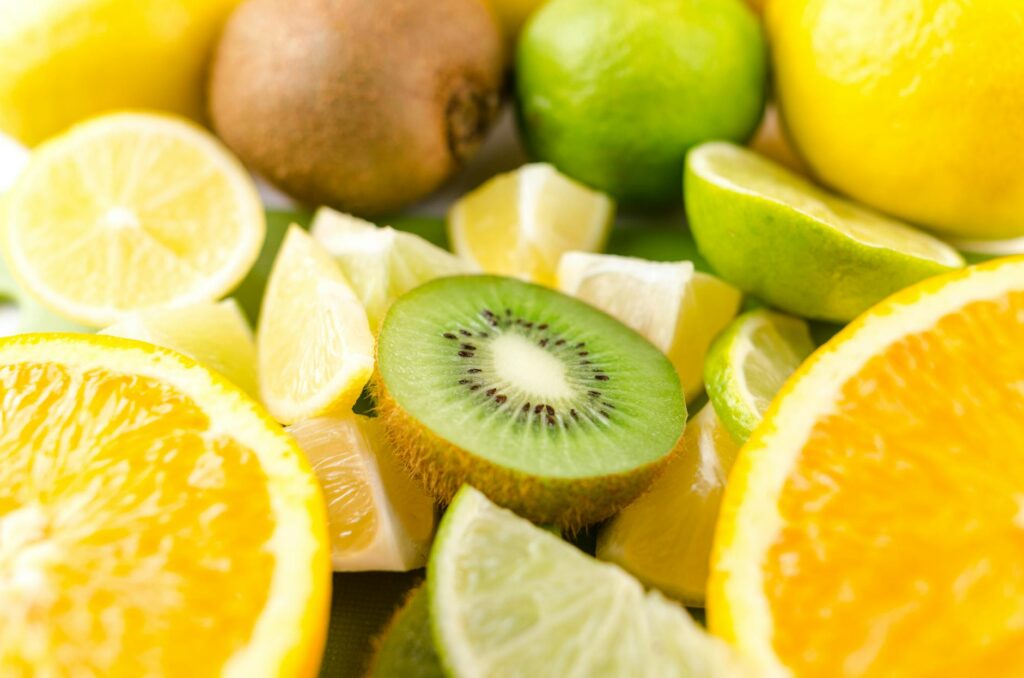
• Citrus Fruits (Oranges, Grapefruits, Lemons): High in vitamin C, citrus fruits boost immune function, promote skin health, and may reduce the risk of kidney stones. Best Season: Winter.
Click to purchase on Amazon through my affliate link
• Leafy Greens (Spinach, Kale, Swiss Chard): Packed with vitamins A, C, and K, as well as folate and iron, leafy greens support vision, bone health, and reduce the risk of certain cancers. Best Season: Spring and Fall.
Click to purchase on Amazon through my affliate link
• Cruciferous Vegetables (Broccoli, Cauliflower, Brussels Sprouts): These vegetables contain glucosinolates, which have been shown to reduce cancer risk. They are also high in fiber and vitamins C and K. Best Season: Winter.
Click to purchase on Amazon through my affliate link
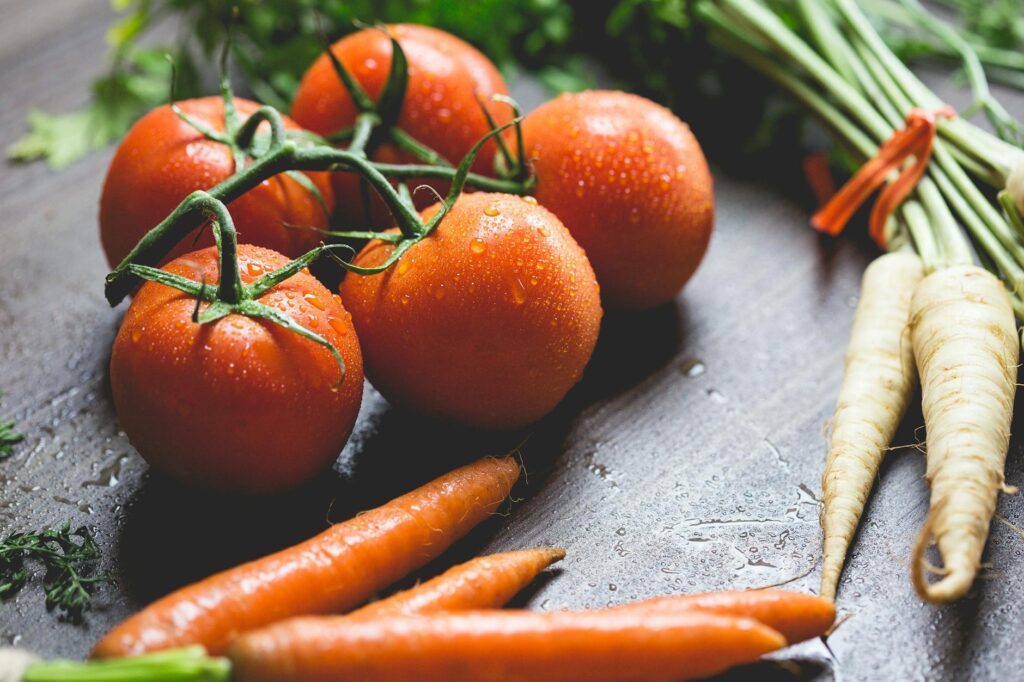
• Tomatoes: Rich in lycopene, an antioxidant linked to reduced risk of heart disease and certain cancers, particularly prostate cancer. Best Season: Summer.
Click to purchase on Amazon through my affliate link
• Carrots: High in beta-carotene, carrots support eye health, immune function, and skin health. Best Season: Spring and Summer.
Seasonal Eating: Why It Matters
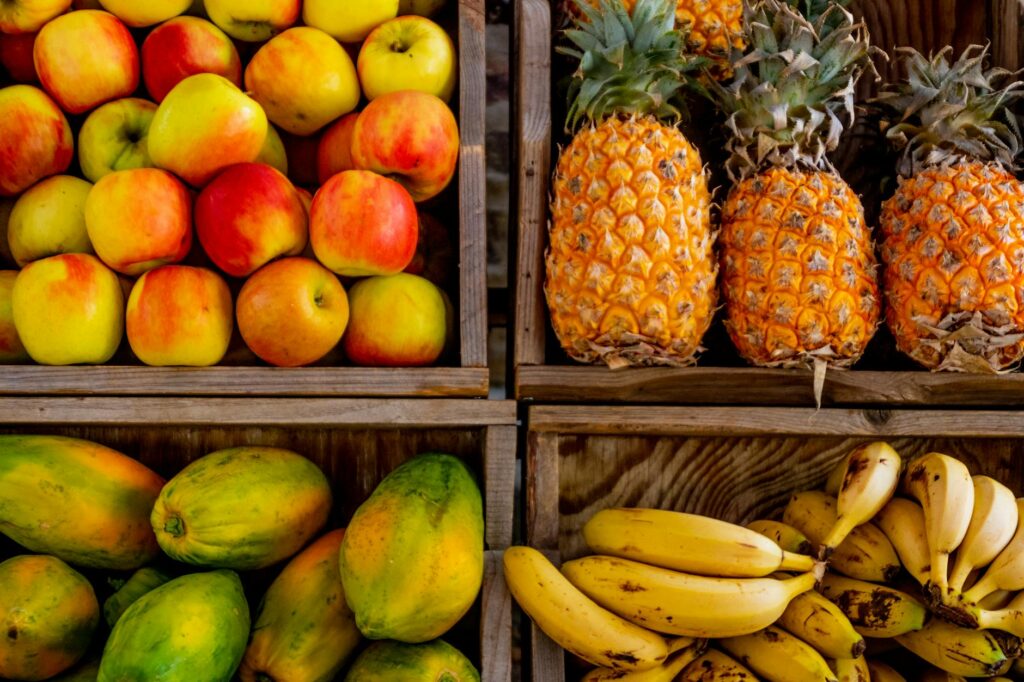
Eating fruits and vegetables in season ensures that you get the freshest, most nutrient-dense options available. Seasonal produce often tastes better and is more affordable. Moreover, consuming a variety of fruits and vegetables throughout the year ensures a wide range of nutrients and flavors, making your diet more enjoyable and balanced.
Click to purchase on Amazon through my affliate link

Conclusion
Incorporating a diverse range of fruits and vegetables into your diet is a simple yet powerful way to improve your overall health. Not only do these foods provide essential nutrients, but they also play a role in preventing chronic diseases. So, make it a habit to fill half your plate with fruits and vegetables at each meal, and enjoy the seasonal bounty that nature has to offer. Your body will thank you!