
Nebulizer machines are essential devices in respiratory care, particularly for individuals with conditions like asthma, chronic obstructive pulmonary disease (COPD), and other respiratory disorders. These devices convert liquid medication into a fine mist, allowing for direct inhalation into the lungs, which can be more effective than oral medications for certain treatments.
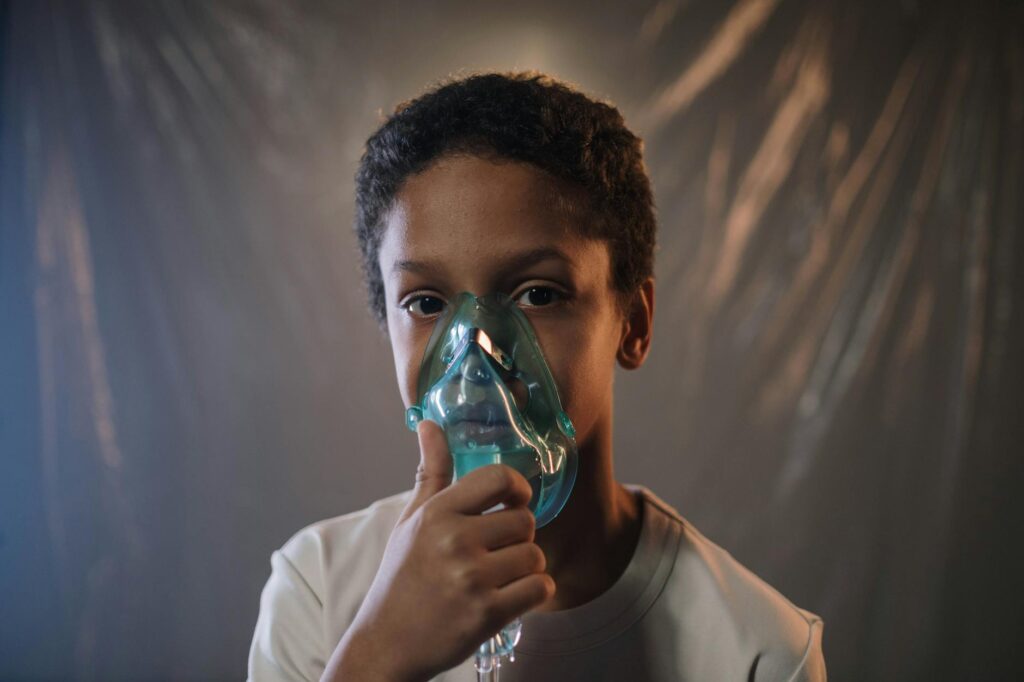
What is a Nebulizer Machine?
A nebulizer machine is a medical device designed to administer medication in the form of a mist inhaled into the lungs. It consists of a compressor, a cup for holding liquid medication, a mouthpiece or mask, and tubing that connects these components. When the machine is turned on, the compressor converts the liquid medication into a fine mist, which the patient inhales through the mouthpiece or mask.
Types of Nebulizers
There are three primary types of nebulizer machines:
Jet Nebulizers: These are the most common types and work by using compressed air to turn the liquid medication into a mist. They are generally reliable and can deliver a wide range of medications.

Ultrasonic Nebulizers: These use high-frequency sound waves to create the mist. They are quieter and more portable than jet nebulizers but may not be suitable for all types of medications.
Mesh Nebulizers: These are the most advanced and use a vibrating mesh to produce a fine mist. They are portable, silent, and efficient, making them ideal for travel and discreet use.
How to Use a Nebulizer
1.Prepare the Medication: Measure the correct dosage of medication prescribed by your healthcare provider and place it in the medication cup.
2.Assemble the Nebulizer: Attach the medication cup to the nebulizer unit, connect the tubing, and then attach the mouthpiece or mask.
3.Position Yourself: Sit comfortably in an upright position to ensure proper inhalation. If using a mask, make sure it fits snugly over the nose and mouth. If using a mouthpiece, hold it between your lips.

4.Inhale the Medication: Turn on the nebulizer and take slow, deep breaths to inhale the mist. Continue breathing through the device until all the medication is gone, which typically takes 5 to 10 minutes.
5.Clean the Nebulizer: After use, wash the mouthpiece or mask, medication cup, and tubing with warm soapy water. Rinse thoroughly and let them air dry.
Benefits of Using a Nebulizer
Effective Medication Delivery: Nebulizers deliver medication directly to the lungs, providing fast relief from symptoms.
Ease of Use: Suitable for patients of all ages, including young children and the elderly, who may have difficulty using inhalers.
Versatility: Can be used for a variety of medications, including bronchodilators, corticosteroids, and antibiotics.
Considerations and Precautions
Proper Maintenance: Regular cleaning is crucial to prevent infections and ensure the device works correctly.
Correct Dosage: Always follow the prescribed dosage and instructions from your healthcare provider.
Portable Options: For those on the go, portable nebulizers offer convenience and ease of use.

Conclusion
Nebulizer machines are invaluable tools for managing respiratory conditions. By converting medication into a mist, they provide effective and targeted relief. Whether you’re dealing with chronic respiratory issues or occasional breathing difficulties, understanding how to use and maintain a nebulizer can significantly improve your quality of life. Always consult with a healthcare professional to determine the best treatment approach for your specific needs.